
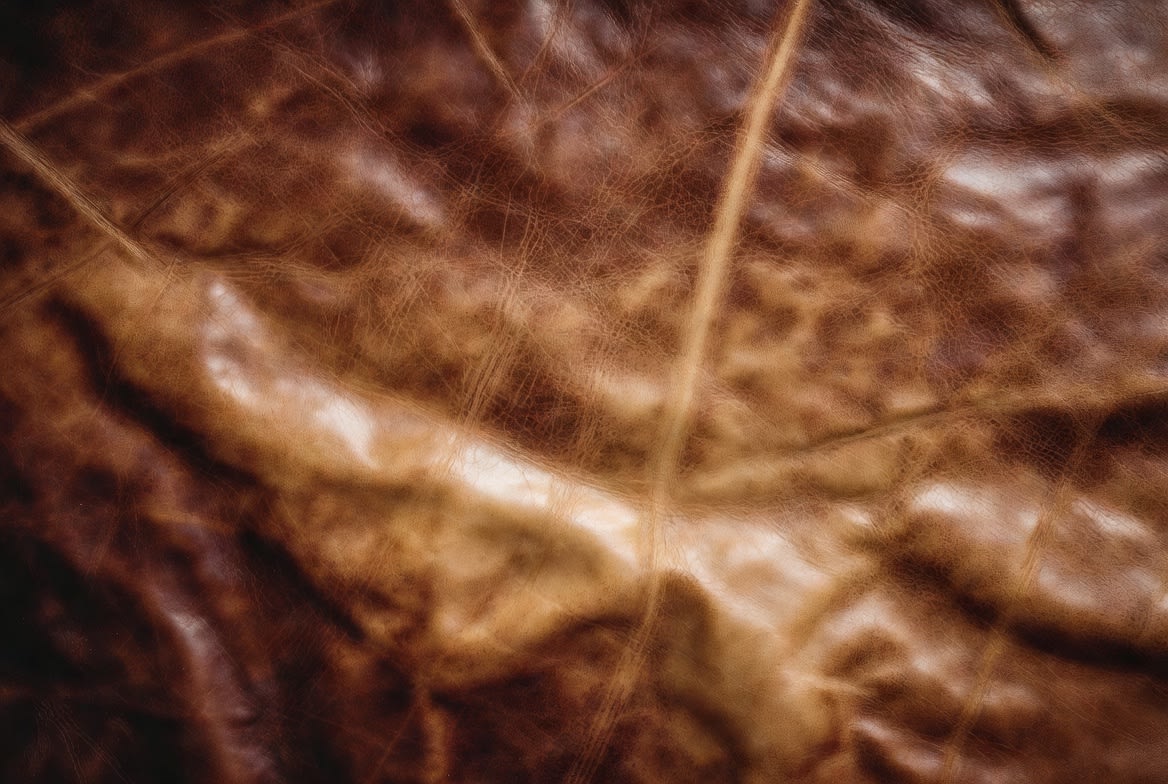
Distressed Leather

Relaxed, timeworn grain with natural character—ideal for a curated sofa.

Get Quote

Color Swatches

Tap swatch to preview · Check to order sample

$25 flat for 1–4 samples. $5 for each additional.

Specifications

Size
48-50 sq. ft.
Thickness
1.1-1.3 mm / 2.5-3.25 oz
Origin
ItalyItaly
Material
Cowhide
Type
Aniline
Finish
Wax/Oil, Distressed
Grain
Top Grain
Category
Protected
Uses
Furniture, Garments, Bags
Texture
Crackle Grain

Prop 65

What is Distressed Leather?

Distressed Leather is an aniline-dyed leather with a soft feel and vintage-rustic look. Oils and waxes create a pull-up effect that develops lighter tones under stress, adding character and depth. Distressed hides vary naturally, making them ideal for authentic upholstery without a uniform look. Durable and protective, it's recommended for:

  • Furniture
  • Interiors
  • Bags, Garments
High-end lounge chair in a luxury hospitality setting upholstered in distressed chocolate brown leather
Chocolate color option on accent seating in a hospitality interior.
Close-up of brown distressed leather showing the pull-up effect, with lighter tones where oils and waxes shift under stressPull-up effect

Understanding the Pull-Up Effect

The pull-up effect is a defining characteristic of waxed distressed leather. It occurs when oils and waxes within the leather move under pressure or stretching, temporarily revealing lighter tones in those areas. This creates natural depth and variation across the surface, giving each hide a unique, evolving aged character.

Showcase

→ Distressed leather fits residential and contract projects where you want rich character plus upholstery-grade performance — from living rooms to hospitality and automotive trims.

Applications

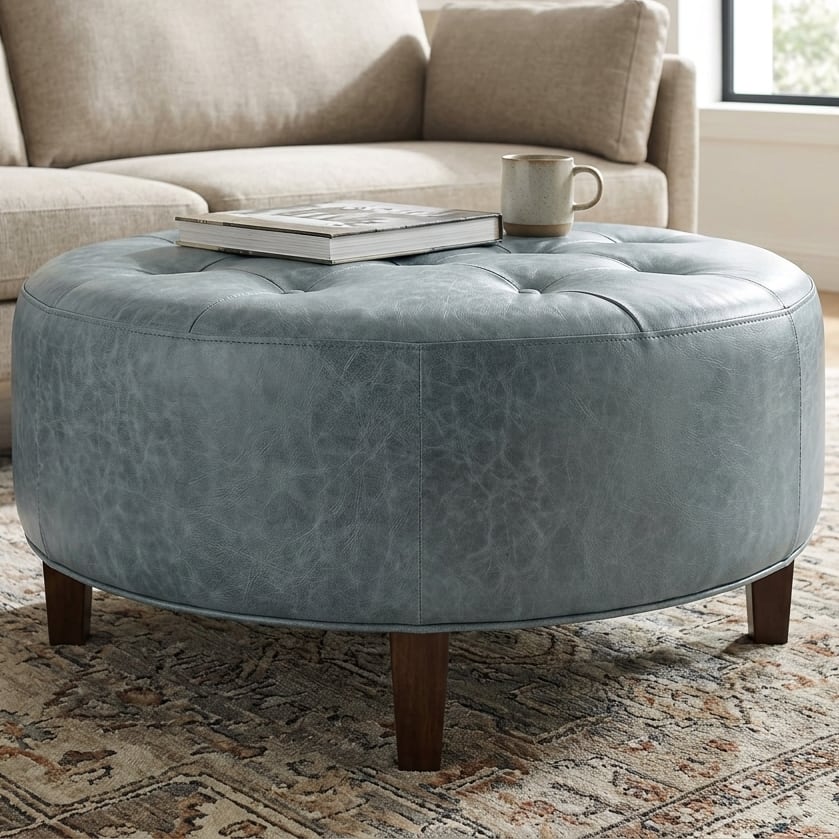
Round button-tufted ottoman in muted Baby Blue distressed leather in a bright living room

Swatches

Baby Blue distressed leather—muted steel-blue with fine crackle grain, tonal depth, soft matte sheen. Tufted round ottoman in a bright living room: versatile residential centerpiece & contract seating

Distressed collection · Baby Blue

Industry Insights

Why Choose Distressed Leather for Upholstery

Ask a Pro: Interior Design Perspective

Distressed leather color swatches and samples laid out for interior design selection
Designer selects colorways

When I choose distressed leather for a project, I'm usually trying to bring warmth and character into a space that would otherwise feel too flat or modern. The appeal is that it doesn't look manufactured or overly perfect — it feels lived-in from day one. That's something clients respond to immediately, especially in residential living spaces.

What I like most is how it evolves over time, developing a natural patina and tonal shifts that make it look more refined and layered rather than worn.

From a design perspective, it's also incredibly forgiving. Natural variation in the hide means you're not fighting imperfections — you're working with them. That makes it ideal for large statement pieces like sofas or lounge chairs where you want texture, depth, and a slightly rustic luxury feel.

Distressed Leather in Residential and Commercial Interiors

Ask a Pro: Upholstery Workshop Perspective

Distressed leather hides and swatches selected in an upholstery workshop
Upholsterer selects leather colorways for customer's home decor.

From an upholstery standpoint, distressed leather is one of the most practical materials we work with in higher-end furniture builds at our upholstery shop in Orange County. It's durable, but more importantly, it hides the natural signs of use in a way that still looks intentional. That's a big reason it gets specified for hospitality projects.

In residential work, we see it used heavily on sofa cushions, sectionals, and accent chairs. Homeowners like it because it doesn't feel sterile — it feels warm and slightly aged from the start. Even after years of use, it tends to look better rather than worse, which is not something you can say about all finishes.

For hotels, restaurants, and lounges, distressed leather is ideal for high-traffic seating because its tonal variation helps hide wear while maintaining a refined look.

Frequently Asked Questions

What is the difference between distressed leather and regular leather?

Distressed leather is treated with waxes and finishes for a vintage aged effect, while regular pigmented leather has a uniform, coated surface color. Refer to the following comparison:

Regular pigmented leather in blue with uniform grain and coated finish

Regular pigmented leather

Distressed leather in indigo with vintage crackled texture

Distressed leather

Is distressed leather more expensive?

Distressed leather is often more expensive due to premium hides, artisan finishing, wax treatments, and its unique aged pull-up character.

Is distressed leather waterproof?

Distressed leather contains waxes and oils that offer more resistance to water spotting than pure aniline leather, though it still requires regular leather care.

Is distressed leather durable?

Distressed leather is durable and designed to age gracefully. It holds up well against everyday wear, though its lighter finish may fade faster than heavily pigmented leather.

How do you clean distressed leather?

Use a wax-free leather lotion such as ReLeather Leather Conditioner. Wipe gently first, then apply lightly to maintain softness and finish.

Is distressed leather pet-friendly?

It's moderately pet-friendly. The waxed surface helps disguise light marks, but claws can still leave visible scratches.

Does distressed leather scratch easily?

Yes, it can show scratches more easily than pigmented leather, though many marks blend into the natural aged character.

Does distressed leather crack?

It resists cracking well thanks to oils and waxes, but poor care or dryness over time can still cause surface cracking.