





Product Guide
Start ReLeathering
When it comes to choosing the right upholstery material for your home, genuine leather is often the superior choice. Leather is durable, easy to clean, and has a classic look that never goes out of style. In addition, leather is a natural material are more breathable and will age gracefully. Upholstery leather can also be more comfortable than other materials, as it tends to be softer and cooler to the touch. Whether you're looking for a timeless sofa or a chic accent chair, leather upholstered furniture is always a smart choice.
How Are Upholstery Leather Hides Made?
From Raw Hide to Finished Leather
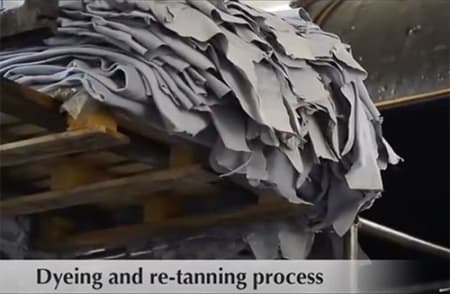
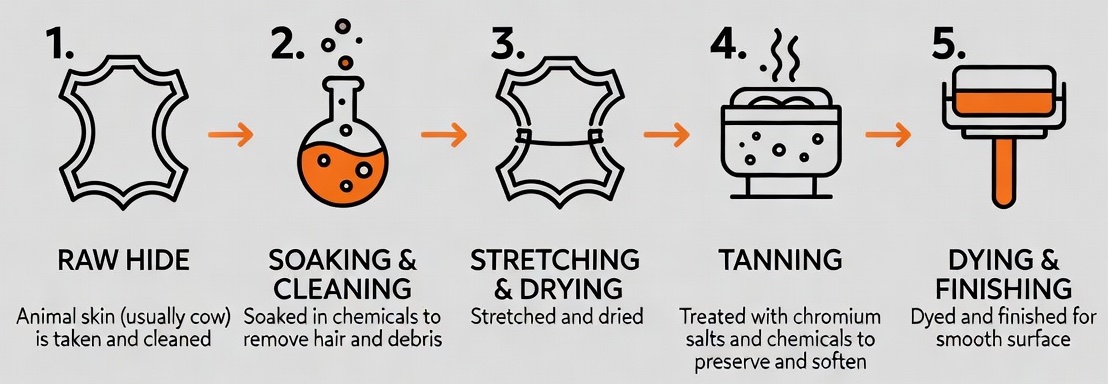
Leather is a material made from the skins of animals, usually a cow. The process of making leather begins by soaking the skin in a chemical solution that helps to break down the tissue and remove any hair or other debris. Once the skin has been prepared, it is stretched and dried, then treated with another chemical solution that helps to preserve it. Tanning involves soaking the hide in a mixture of water, chromium salts, and chemicals, which helps to preserve it and make it more flexible. Finally, the leather is dyed and finished to give it a smooth, soft, consistent surface. Leather is commonly used for upholstery, clothing, and a variety of other products. Thanks to its durability and resistance to wear and tear, leather is an ideal material for many different applications.
Full Grain Top Grain Split Leather
Leather buyers should know full grain and top grain leather both come from the outer hide and are high-quality real leather, with full grain keeping the natural surface and aging patina while top grain is lightly sanded for a smoother, more uniform, lower-maintenance finish, whereas split leather comes from lower layers beneath the grain.
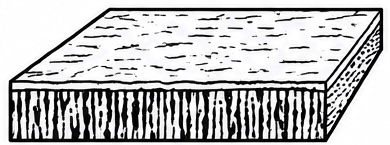
Full Grain
- Outer grain layer
- Natural surface
- Grain variation
- Develops patina
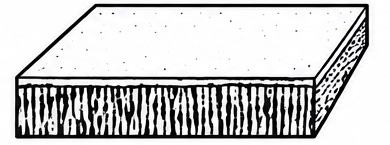
Top Grain
- Outer grain layer
- Refined surface
- More consistent appearance
- Easier maintenance
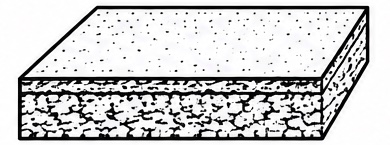
Split Leather
- Lower layer
- No natural grain
- Often coated or embossed
- Learn why it matters
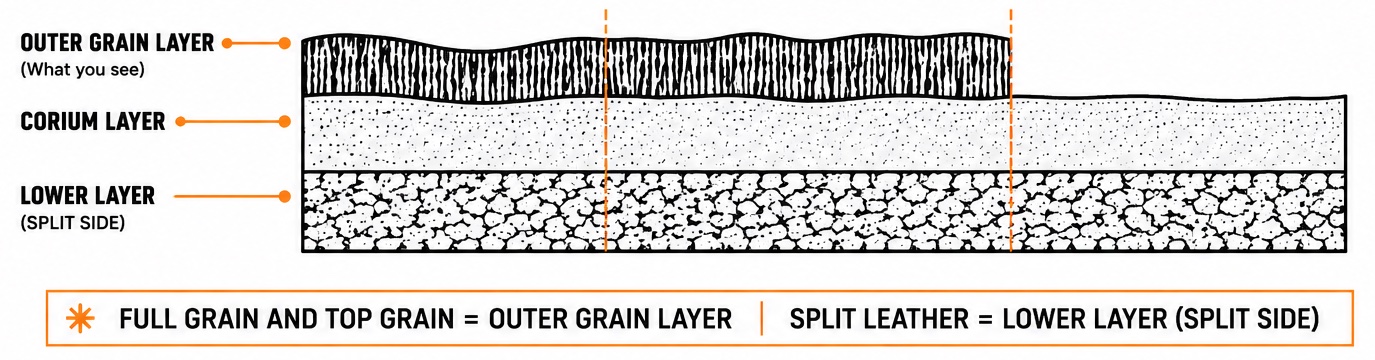
Full Grain + Top Grain = Outer Grain Layer
Split Leather = Lower Layer
Leather Thickness
Leather thickness is measured in millimeters (mm) or ounces (oz). 1 oz ≈ 0.4 mm. Different thicknesses are suited to different applications depending on flexibility, durability, and structure.
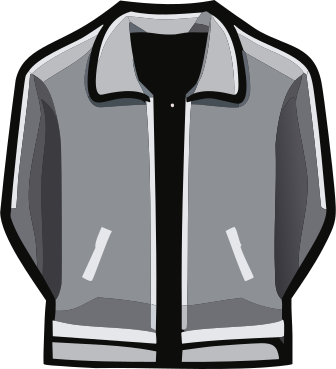
0.4–0.6 mm (1–1.5 oz)
Lightweight and flexible. Commonly used for garments, gloves, lightweight fashion accessories, and soft linings.
- Coat
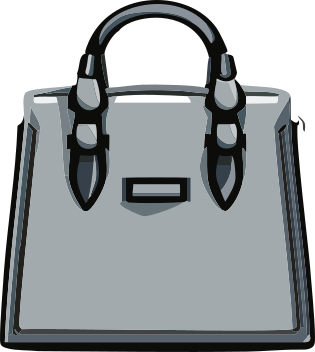
0.6–0.9 mm (1.5–2 oz)
Soft with slightly more body. Often used for handbags, garment leather, and lightweight panels requiring flexibility.
- Coat
- Handbag
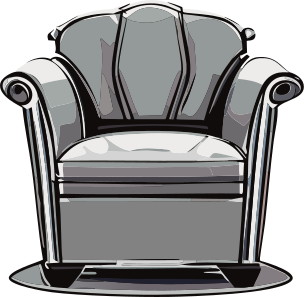
0.9–1.2 mm (2–3 oz)
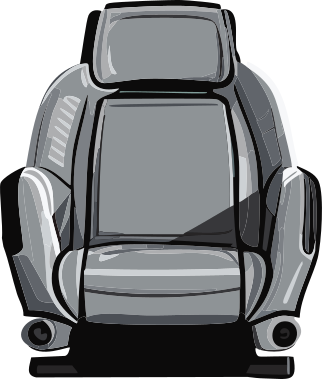
Versatile medium-weight leather used for bags, automotive interiors, and upholstery applications where softness and durability are balanced.
- Furniture
- Auto
1.2–1.6 mm (3–4 oz)
Typical upholstery leather thickness. Common for sofas, chairs, headboards, and commercial seating where durability and structure are important.
- Furniture
1.6–2.0 mm (4–5 oz)
Heavier leather with greater body and durability. Often used for heavy-duty upholstery, structured goods, belts, saddlery, and rugged leather products.
- Handbag
- Footwear
How to Choose the Right Leather for Your Home
Protected Leather Unprotected Leather
Protected Leather

There are a few things to keep in mind in order to choose the right leather for your home and understanding the type of leather is essential. The first thing to consider is the level of wear and tear that the leather sofa will be subjected to. If you have active kids or pets, you'll want to choose a durable top grain leather that can withstand some abuse, stain resistant, and easy to clean. We recommend Protected aniline dyed leather upholstery such as Pigmented, Corrected grain, Semi-Aniline leather. These upholstery leather hides are more uniform in color or can have a two-tone texture finish. Secondly, consider the climate and direct sunlight in your home. If you live in a dry climate, you'll want to choose a leather that is treated for moisture resistance or routinely use a Leather Conditioner to keep your leather soft and moisturized. If you live in a hot and humid climate, Unprotected leather material will fade and crack in the heat much faster because they are not finished with a protective coating.
Unprotected Leather

Finally, consider your personal style. Do you prefer a classic look, rustic leather look, or something more modern? There are many different types of leather hides available in a wide range of colors and textures, so take your time to find the perfect match for your home. Pure Aniline and Nubuck leather are considered the highest quality full grain leather and command a higher price point. They showcase the natural characteristics of the animal hide and form a natural patina over time. Wax Pull Up and Oil Pull up hides offer this type of character for any furniture piece. If you want your leather furniture to stand out, choose a bold color or embossed leather pattern. Or if you prefer a more subdued look, select a classic black or brown leather.
Kids & Pets
High traffic, daily use environments
→ Protected Leather
Climate Exposure
Heat, humidity, and sunlight resistance matters
→ Protected Leather
Design Priority
Natural character, patina, and visual texture
→ Unprotected Leather
Maintenance Level
Easy care vs natural aging leather
→ Protected vs Unprotected
Protected Leather
Built for durability & easy maintenance
- Pigmented leather
- Corrected grain leather
- Semi-aniline leather
- Protective surface coating
- More uniform color
- Easier cleaning & stain resistance
- Ideal for kids, pets, and high-use furniture
Unprotected Leather
Natural character & premium aging
- Pure aniline leather
- Nubuck leather
- Wax pull-up leather
- Oil pull-up leather
- Visible natural grain
- Develops patina over time
- More sensitive to heat, moisture, and spills
What Upholstery Leather To Avoid?
Faux Leather, Split Leather, Bonded Leather

Whenever you're leather furniture shopping, whether it's for new sofas or chairs, there are a few things you should keep in mind. First, avoid faux leather, split leather, pu leather, and bonded leather. These materials may look like real leather, but they're not as durable or as comfortable as real leather. It goes without saying, secondly, always opt for the best leather for your home. Leather furniture is not only more comfortable, but it also last longer than other materials including upholstery fabric. So when you're leather shopping, keep these things in mind and you'll be sure to find the perfect furniture piece for your home.
Protected = Durability + Easy Care
Unprotected = Natural Beauty + Patina
Faux = Low Durability + Artificial Feel
How Long Does Upholstery Leather Last?
Durability. Leather Care. Leather Repair Service.
If you're considering leather for your furniture upholstery, you might be wondering how long it will last. The answer depends on factors including the quality of the leather and how it's used. Generally speaking, leather is a very durable material that can last for many years.
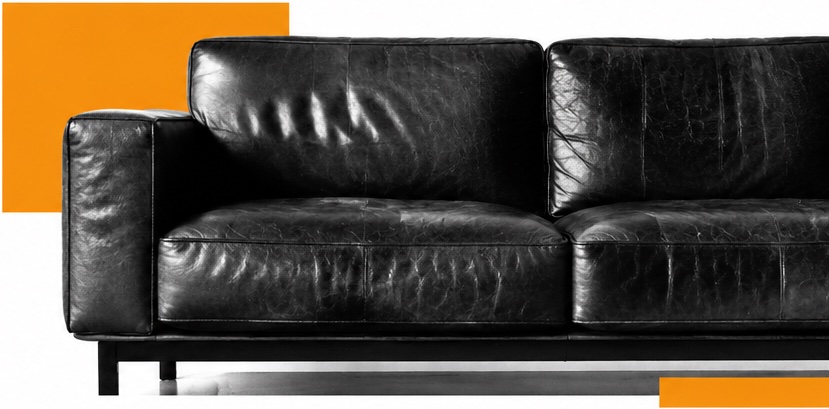
With proper care, it's not unusual for leather furniture to last for decades. Of course, leather isn't indestructible — spills, scratching, and sun exposure can still cause damage. But with routine care, leather can provide years of beauty and comfort. Unlike faux leather, fabrics, and suede, upholstery leather can be restored and dyed for added longevity. Most aniline leather hides are suitable for our Leather Restoration and Leather Dyeing services.
With proper care, leather furniture can last for decades.
Durable
Leather is a strong and long-lasting material that can withstand years of everyday use.
Care
Proper care protects the leather from spills, scratches, and sun exposure.
Restore
Unlike other materials, leather can be restored and dyed to offer added longevity.
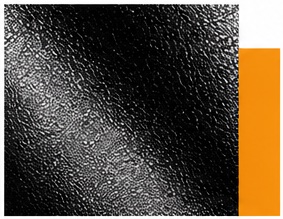
So if you're looking for furniture that will stand the test of time, leather upholstery is definitely worth considering.