
Waxed Leather

Close up of Waxed Leather

Hand-antiqued wax and a soft fine grain—Italian hides for residential and contract seating.

Color Swatches

Click to view · Check to order swatch

Specifications

Size
53 sq ft +/-
Thickness
1.2-1.4 mm / 3.0-3.5 oz
Origin
ItalyItaly
Material
Cowhide
Type
Semi Aniline
Finish
Wax/Oil, Antique
Grain
Top Grain
Category
Protected
Uses
Furniture, Hospitality
Texture
Natural Fine Grain

Prop 65

What is Waxed Leather?

Waxed Leather is a premium semi-aniline hide with a hand-antiqued, waxy finish. Oils and waxes form a light protective coat that keeps the natural fine grain visible while helping the surface stand up to everyday use. A light pull-up shift can appear where the hide flexes, so each skin has depth without a flat, coated look. That makes it a practical choice for upholstery in homes and in busier contract rooms. It's recommended for:

  • Furniture
  • Hospitality
Close-up of Whiskey waxed leather showing the hand-antiqued fine grain
Whiskey, a warm colorway for residential seating.
Close-up of black waxed leather showing the hand-antiqued wax finish and natural fine grainWaxed finish

Understanding the Waxed Finish

The waxed finish is what sets waxed leather apart from a plain dyed hide. Oils and waxes are worked into the surface so it feels soft and slightly antiqued, with a coat that helps resist everyday scuffs and light moisture. Where the leather flexes, the tone can shift just enough to show depth across arms, cushions, and backs — character you can see, with more protection than an open aniline.

Showcase

→ Waxed leather fits residential and contract projects where you want a refined hand plus upholstery-grade wear — from living-room sofas to hospitality lounges and office seating.

Applications

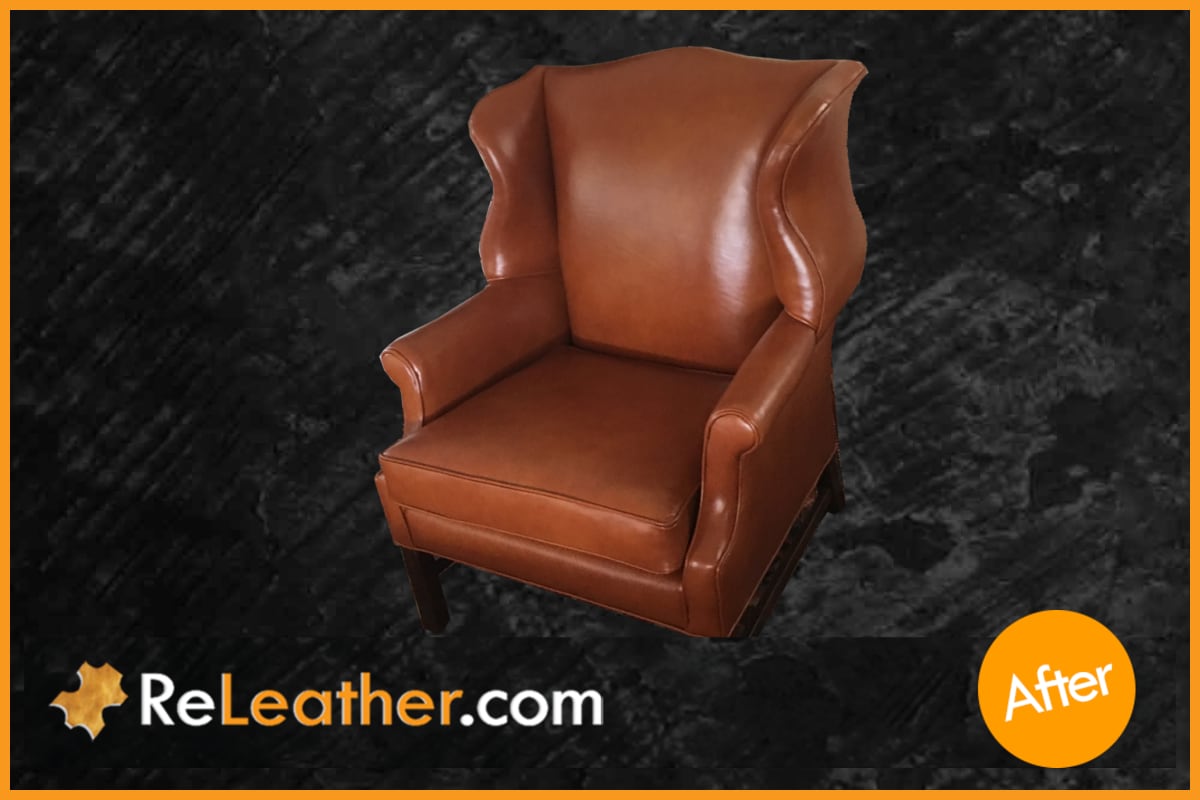
Tan waxed wingback chair after a full reupholstery in Whiskey leather

Swatches

Whiskey waxed leather—warm amber tone, fine grain, and a soft waxed hand. Tan wingback after a full reupholstery: a worn chair brought back to a clean, polished seat.

Waxed collection · Whiskey

Industry Insights

Waxed Leather in Residential and Contract Interiors

Ask a Pro: Upholstery Workshop Perspective

Before and after of a tan waxed wingback chair from San Clemente, reupholstered after rips and wear
Tan waxed wingback, San Clemente — before and after a full reupholstery.

From an upholstery standpoint, waxed leather is a hide we put on furniture that has to work. A tan wingback from San Clemente came into our Orange County shop with rips and years of wear in the old hide. We reupholstered it in tan semi-aniline waxed leather. The wax finish stayed visible, and the chair went back clean, polished, and ready to sit in.

That same hide works on sofa cushions, club chairs, ottomans, and headboards. In hotels, restaurants, and offices the wax coat takes more of the daily wear than an open aniline. Dust it, and use a proper conditioner. Harsh cleaners can strip the wax.

A full reupholstery in tan waxed leather brought a ripped San Clemente wingback back to a clean, usable chair.

Why Choose Waxed Leather for Upholstery

Ask a Pro: Interior Design Perspective

Close-up of black waxed leather used for upholstery specification
Black remains the collection's most specified colorway.

When I specify waxed leather, I'm looking for a finish that still reads as hide — soft, slightly antiqued, with the grain showing — and that can live in a room people actually use. Clients notice the hand right away on a sofa or club chair, and the color range covers both the expected browns and the quieter greys and deeper tones a contract palette needs.

The wax coat adds a measure of protection while the surface stays natural.

From a design standpoint it isn't a flat solid. The wax gives dimension, and the hides vary enough that a sectional or lounge chair feels considered. I use it when the room needs warmth and a finish that can take regular sitting.

Frequently Asked Questions

What is the difference between waxed leather and regular leather?

Waxed leather is a semi-aniline hide finished with oils and waxes for a hand-antiqued surface, while regular pigmented leather has a uniform, coated color. Refer to the following comparison:

Regular pigmented leather in blue with uniform grain and coated finish

Regular pigmented leather

Waxed leather in black with a hand-antiqued fine grain

Waxed leather

Is waxed leather more expensive?

Waxed leather usually costs more than a basic coated hide because it is an Italian semi-aniline skin with a wax and oil antique finish, not a uniform pigment coat.

Is waxed leather waterproof?

The wax coat resists light moisture and spotting better than an open aniline, but it is not waterproof. Spills should still be blotted, and the hide needs regular leather care.

Is waxed leather durable?

Yes, for furniture. The wax finish is built for everyday sitting in homes and for higher-traffic contract rooms such as lounges and offices. It will still mark if it is abused, and it is not as sealed as a heavy pigment.

How do you clean waxed leather?

Dust it regularly and use a light leather conditioner such as ReLeather Leather Conditioner. Skip harsh cleaners and solvents — they can strip the wax and leave the surface dull.

Is waxed leather pet-friendly?

It is more forgiving than an unprotected aniline, and the waxed surface can disguise light marks. Claws and deep scratches still show, so it is only a moderate choice for homes with pets.

Does waxed leather scratch easily?

It can scratch, though many light marks sit in the antiqued grain better than they would on a smooth pigmented leather. Hard or repeated abrasion will still leave a visible line.

Does waxed leather crack?

Oils and waxes help the hide stay supple, so it resists drying and cracking better than a neglected aniline. If it is left dry for years, the surface can still crack.